
SEPTEMBER MINI FACE & NECK LIFT SPECIAL
BOOK YOUR MINI FACE & NECK LIFT WITH DR. ROTH THIS SEPTEMBER AND SAVE $1,000.

Customized Breast Reduction Solutions
.avif)
Breast reduction (reduction mammaplasty) is a surgical procedure that removes excess breast tissue, fat, and skin to create a smaller, lighter, and better-proportioned breast — and to relieve the physical symptoms that often accompany disproportionately large breasts. Dr. Forest S. Roth, MD, FACS — a board-certified plastic surgeon in Upper Kirby, Houston, TX — treats patients experiencing chronic neck, back, or shoulder pain; skin rashes and irritation under the breast fold; deep bra strap grooves; difficulty with physical activity; and postural strain caused by breast weight.
.avif)

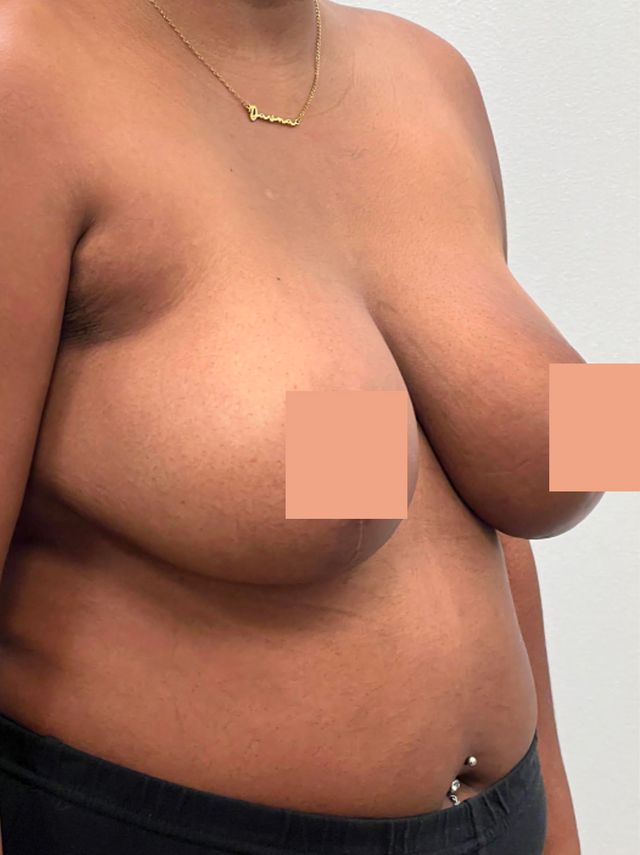
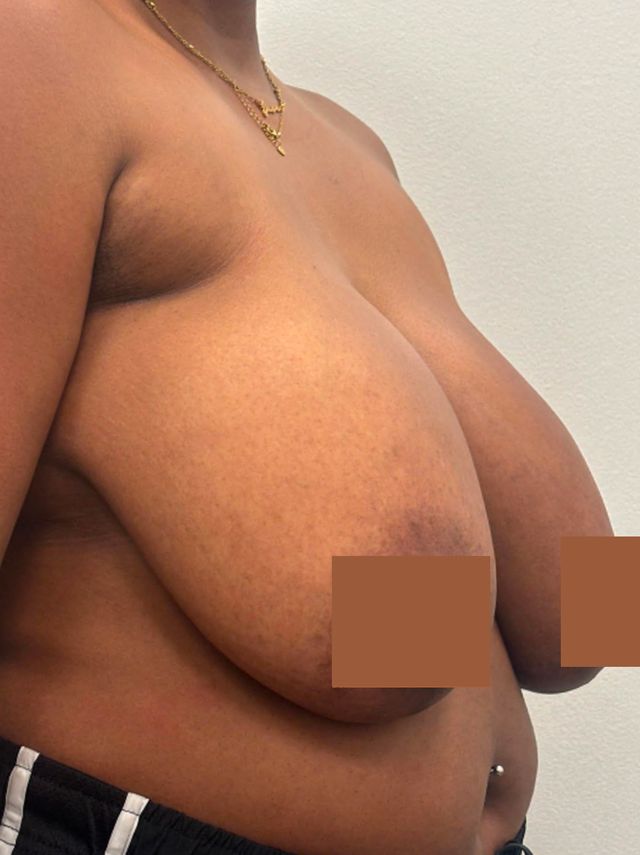
Most patients return to desk work within 7–10 days. A surgical bra is worn for 4–6 weeks, and strenuous activity is restricted during this period. Swelling resolves and the final breast shape settles at 3–6 months. For patients whose symptoms meet medical necessity criteria, insurance may cover breast reduction — Dr. Roth's office assists with insurance pre-authorization and letters of medical necessity. Self-pay pricing is also available for patients pursuing surgery for aesthetic reasons.
.avif)
.avif)
.avif)
.avif)

Insurance may cover breast reduction when documented medical necessity criteria are met. This typically requires evidence of chronic physical symptoms — such as back, neck, or shoulder pain; skin breakdown under the breast fold; and impaired physical function — along with documentation that conservative treatments (physical therapy, proper bra fitting) have been tried. Many insurers also require that a minimum amount of tissue be removed, calculated based on the patient's height and weight. Dr. Forest S. Roth's office reviews the patient's specific plan requirements and assists with pre-authorization letters and medical necessity documentation.
Most patients treated by Dr. Forest S. Roth, MD, FACS return to desk work within 7–10 days. A surgical bra is worn continuously for 4–6 weeks, and strenuous activity — including upper body exercise — is restricted during this period. Driving is avoided while taking prescription pain medications. Swelling is most pronounced in the first 2 weeks and gradually resolves over 6–12 weeks, with the final breast shape fully apparent at 3–6 months.
Breast reduction may affect the ability to breastfeed, depending on the amount of tissue removed and the surgical technique used. Patients who plan future pregnancies or strongly want to breastfeed should discuss this specifically with Dr. Forest S. Roth during consultation. Technique selection can be adjusted to prioritize preservation of the nipple-areola nerve supply and milk ducts, though some reduction in breastfeeding capacity remains possible with any reduction technique.
Breast reduction requires longer incisions than many plastic surgery procedures, and some degree of permanent scarring is a known trade-off. Dr. Roth most commonly uses the vertical (lollipop) or anchor (Wise-pattern) incision, placed to fall within the natural breast contour and below the bra line. Scars are initially pink and raised, then progressively soften and fade over 12–24 months. Following scar care recommendations — silicone treatment, sun avoidance — supports the best long-term result.
Yes — many patients treated by Dr. Forest S. Roth report significant improvement in posture, reduced chronic back and neck pain, and the complete resolution of painful bra strap grooving shortly after surgery. These physical benefits are typically noticeable within the first few months as post-operative swelling resolves and patients begin to move more freely and comfortably. Posture improvement is one of the most commonly cited quality-of-life gains among Dr. Roth's breast reduction patients.
Dr. Forest S. Roth and his team assist patients through the insurance pre-authorization process for breast reduction when a medical necessity case can be made. This includes documenting chronic physical symptoms, noting conservative treatments that were attempted, and submitting a formal letter of medical necessity. Each insurer uses different criteria — some require removal of a minimum tissue weight based on the patient's body surface area, others have their own documentation thresholds. Dr. Roth's office reviews the patient's specific plan during the initial consultation to determine whether coverage is realistic, and supports the pre-authorization process from submission through approval.