OCTOBER BREAST PROCEDURE SPECIAL
RECEIVE 10% OFF ANY BREAST PROCEDURE WITH DR. ROTH THIS OCTOBER

Lift and Rejuvenate Your Breasts

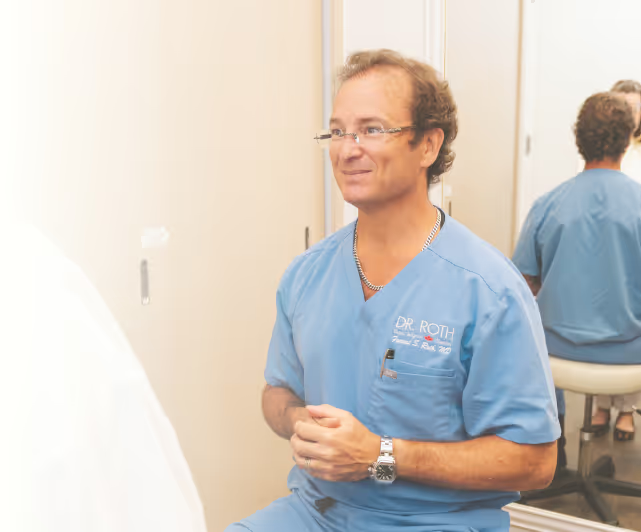
A breast lift (mastopexy) is a surgical procedure that raises and reshapes breasts that have lost firmness or position due to pregnancy, breastfeeding, weight fluctuation, or aging. Dr. Forrest S. Roth, MD, FACS — a board-certified plastic surgeon in River Oaks, Houston, TX — performs mastopexy to reposition the nipple-areola complex, remove excess skin, and restore a more youthful breast profile. The procedure improves shape and firmness without changing cup size, though it is frequently combined with augmentation when patients also want added volume.


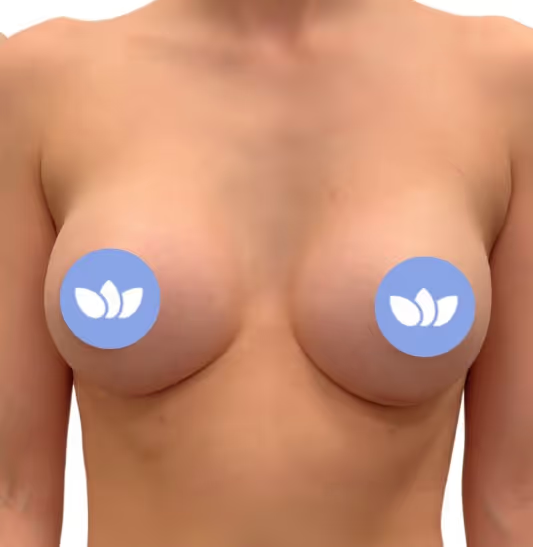
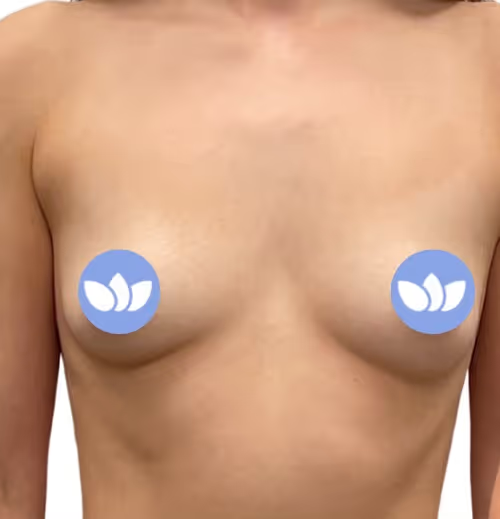
Most patients return to desk work within 7–10 days and resume exercise by 4–6 weeks. Final contour emerges over 3–6 months as swelling resolves and the tissues settle. Scars follow the incision pattern used — typically a lollipop (vertical) or anchor (Wise-pattern) incision — and continue fading for up to two years. Results are long-lasting, though significant weight changes or future pregnancies can affect the outcome over time.

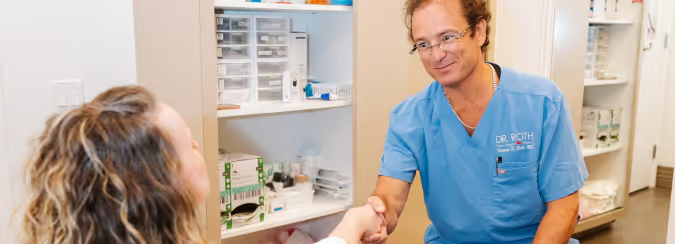


Dr. Forrest S. Roth evaluates each patient individually, but ideal candidates for mastopexy are women whose breasts sag, have nipples that sit at or below the breast crease, stretched areolas, or significant loss of upper-pole fullness following pregnancy, breastfeeding, or weight loss. Candidates should be at or near their goal weight, in good overall health, and not planning future pregnancies, which can affect surgical results.
The incision pattern Dr. Roth uses depends on the degree of ptosis (sagging). Mild sagging may be corrected with a periareolar (donut) incision around the areola only. Moderate ptosis typically requires a vertical (lollipop) incision — around the areola and down to the breast crease. Significant ptosis is addressed with the Wise-pattern (anchor) incision, which adds a horizontal scar along the breast crease for maximum reshaping and repositioning.
Most patients treated by Dr. Forrest S. Roth, MD, FACS return to light desk work within 7–10 days. Strenuous activity and upper-body exercise are restricted for 4–6 weeks to allow proper healing. A surgical bra is worn for several weeks post-operatively. Bruising and swelling are most pronounced in the first week and resolve gradually over 3–4 weeks.
All mastopexy techniques leave permanent scars, but Dr. Roth places incisions within natural breast contours and the bra line whenever possible. Scars are initially pink and slightly raised, then soften and fade over 12–24 months. Silicone scar sheets, scar creams, and sun avoidance all support optimal fading during healing.
Visible lifting is apparent soon after surgery, though swelling and compression garments obscure the final shape for several weeks. Dr. Forrest S. Roth advises patients that the true final result — including settled breast position, improved contour, and faded incisions — takes approximately 3–6 months to fully appear. Results are long-lasting with stable weight.
Yes. A combined breast lift and augmentation — called augmentation mastopexy — addresses both position and volume in a single procedure. Dr. Forrest S. Roth performs this combination for patients who want to restore lost volume along with improved projection and shape. Combining the procedures reduces total recovery time compared to staging them separately, and implant selection is coordinated with lift planning to optimize incision placement and long-term results.