
November Tummy tuck PROCEDURE SPECIAL
$500 OFF any tummy tuck procedure with Dr. Roth

Refine Your Back Contours

A back lift is a surgical body contouring procedure that removes excess skin and underlying fat from the back — most commonly targeting posterior axillary rolls (bra rolls), upper back fullness, and lower back skin laxity. Dr. Forrest S. Roth, MD, FACS — a board-certified plastic surgeon in River Oaks, Houston, TX — performs back lifts most often as part of a comprehensive body contouring plan for patients who have experienced significant skin looseness following major weight loss or bariatric surgery, where excess skin accumulates across multiple body areas simultaneously.


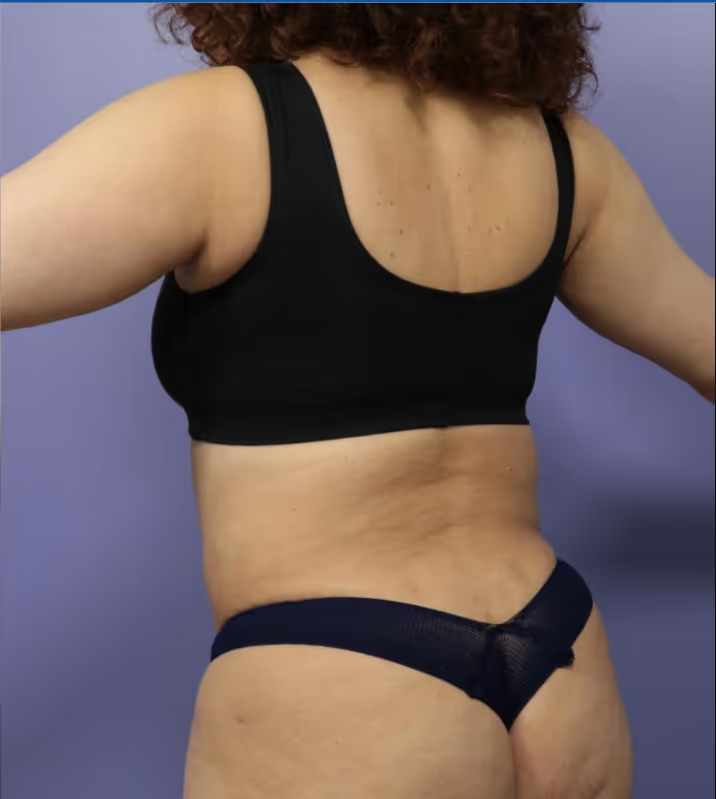
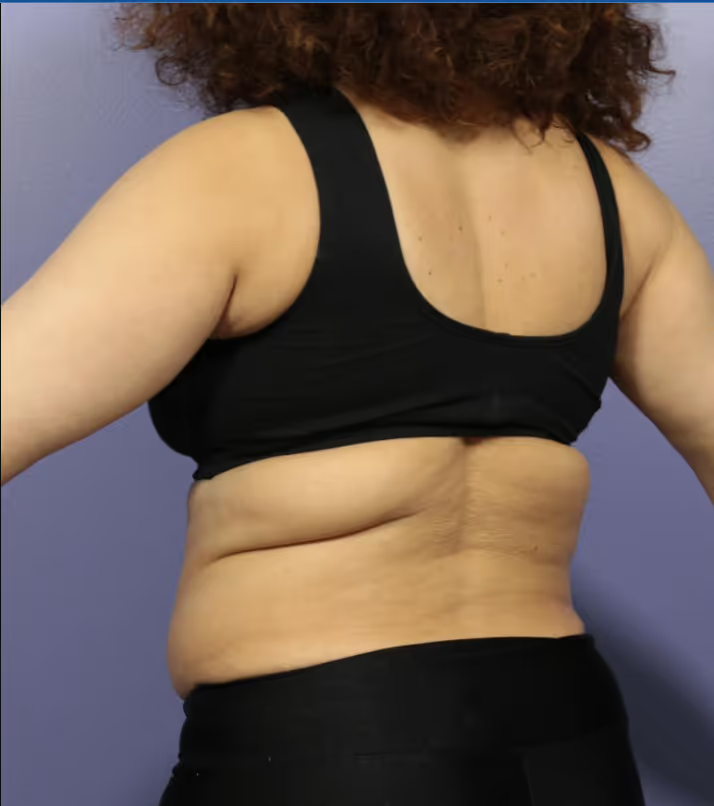
Recovery from back lift requires 2–3 weeks before returning to desk work, with a full return to physical activity at 6–8 weeks. Compression garments are worn for 4–6 weeks post-operatively. Incisions are placed strategically — along the bra line for upper back lift and at the waistline for lower back lift — to minimize visibility. Scars continue fading for 12–18 months. Back lift is frequently combined with arm lift, thigh lift, or abdominoplasty as part of a staged body contouring plan.




Dr. Forrest S. Roth advises that recovery from back lift involves moderate swelling and bruising most pronounced in the first 1–2 weeks. Patients are instructed to sleep on their back initially and limit arm and torso movement. Drain tubes may be placed to remove fluid accumulation during the first week. A compression garment is worn for 4–6 weeks. Most patients can return to desk work within 2–3 weeks and resume full physical activity at 6–8 weeks.
Back lift incisions are strategically placed to minimize visibility. For upper back lift, Dr. Roth places the incision along the bra line — where it is concealed under a bra or swimwear. For lower back lift, the scar follows the natural waistline crease. All back lift scars begin pink and slightly raised, then soften and fade significantly over 12–18 months. Consistent sun protection and silicone scar treatment support optimal healing.
Most patients treated by Dr. Forrest S. Roth, MD, FACS return to light desk work within 2–3 weeks. Overhead lifting, strenuous arm activity, and exercise that engages the back are restricted for 6–8 weeks to allow the incisions and underlying tissue to heal properly. Walking is encouraged early in recovery to support circulation. Individual recovery timelines vary based on the extent of the procedure and the patient's overall health.
Yes — Dr. Forrest S. Roth frequently performs back lift as part of a comprehensive body contouring plan, particularly for patients who have undergone significant weight loss. Common combinations include back lift with arm lift (brachioplasty), thigh lift, or abdominoplasty. Staging procedures across multiple sessions allows Dr. Roth to address each area safely while managing total operative time and recovery. The sequencing plan is individualized based on where skin laxity is most functionally and aesthetically impactful.
Yes. Dr. Roth requires compression garments following back lift for approximately 4–6 weeks post-operatively. Compression is worn continuously during the initial healing period, including during sleep. It minimizes swelling, reduces the risk of fluid accumulation, and helps the skin conform to its new contour as healing progresses. Dr. Roth's team fits patients with appropriate garments before surgery and provides specific wear instructions.
A back lift can address different areas depending on where skin laxity is concentrated. An upper back lift targets posterior axillary rolls (bra rolls) — the skin and fat that bulges over the bra band — through an incision placed along the bra line. A lower back lift addresses excess skin at the waistline and is typically performed as part of a circumferential lower body lift. Dr. Forrest S. Roth tailors the procedure to each patient's specific concerns; many patients following significant weight loss benefit from addressing both upper and lower back areas as part of a coordinated, staged contouring plan.